Culture & museums
UNESCO World Heritage Sites in Mexico City: Which Ones to Visit
Updated September 4, 2026 · published September 14, 2021
Mexico City is home to UNESCO World Heritage Sites like Xochimilco, the Centro Histórico, Casa Barragán, and Ciudad Universitaria: find out which to visit.
Mexico has 35 sites inscribed on UNESCO's World Heritage List, both cultural and natural. Mexico City is home to several notable examples, ranging from pre-Hispanic remains to 20th-century architectural masterpieces.
UNESCO grants this distinction to sites of "outstanding universal value," whether for their historic, artistic, or natural significance. Touring the ones within Mexico City is a concrete way to understand how pre-Hispanic heritage, the colonial layout, and 20th-century modernity coexist within a single city.
Xochimilco
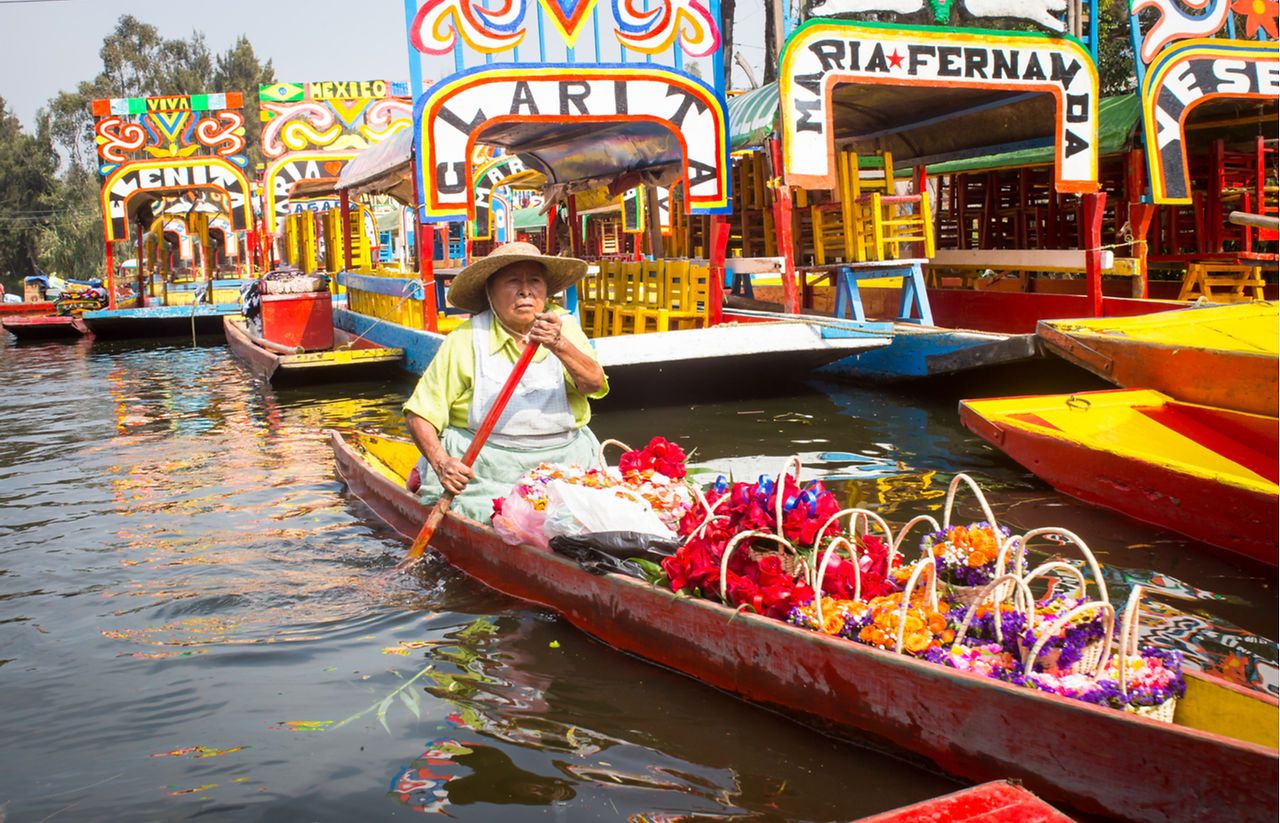
Located in the south of the city, Xochimilco preserves the essence of ancient Tenochtitlan through its canals and chinampas. This area was declared a UNESCO Cultural World Heritage Site in 1987, home to towns that honor tradition and respect nature. If you want to dig deeper into this area, here's our guide to southern Mexico City: San Ángel, Coyoacán, and Xochimilco.
Casa Estudio Luis Barragán
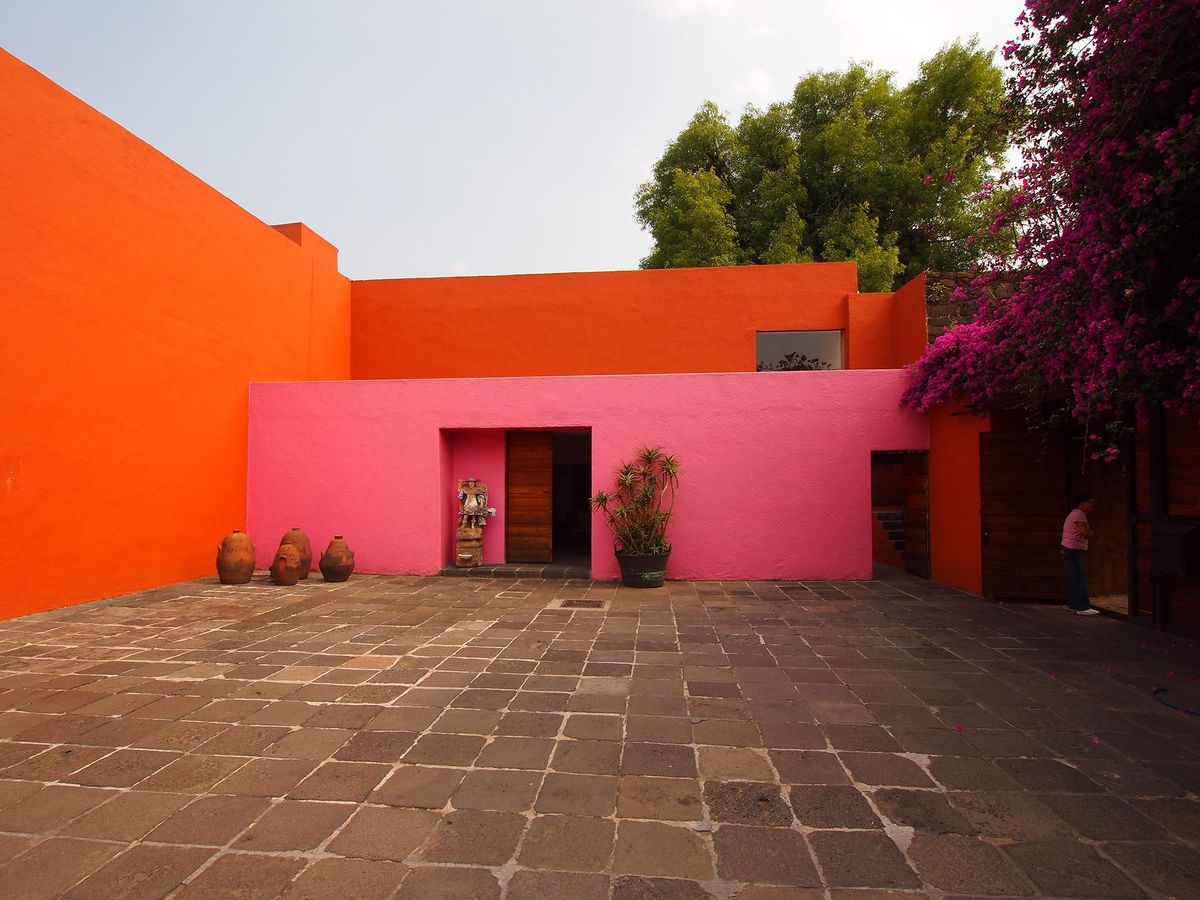
This architectural masterpiece in Tacubaya was built by the Guadalajara-born architect in 1948 and recognized by UNESCO in 2004. The design stands out for its exceptional spatial proportions and its sophisticated use of light, color, and gardens, and it's considered one of the most important influences on modern Mexican architecture.
Centro Histórico
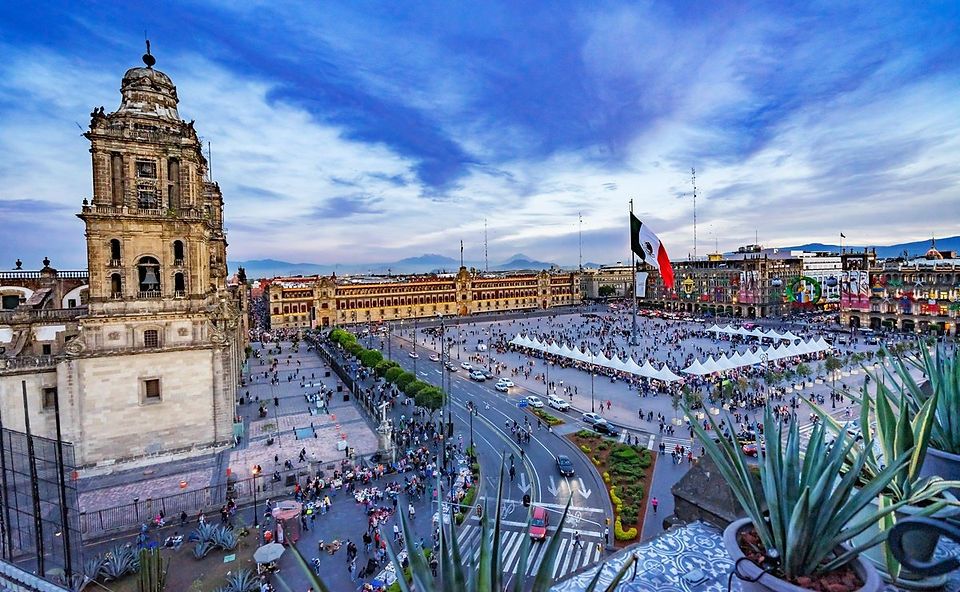
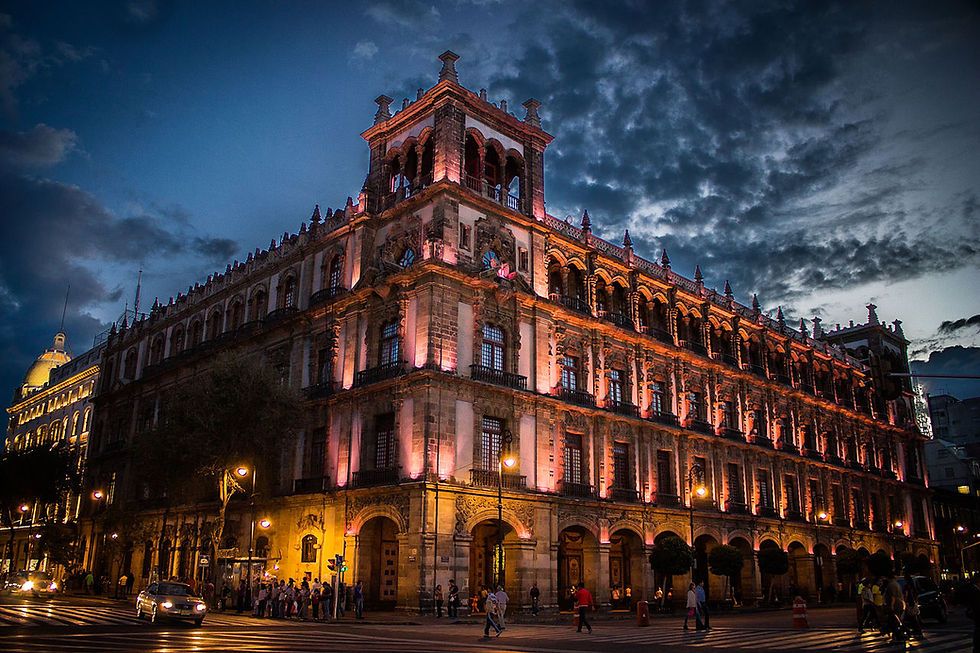
Mexico City's oldest neighborhood offers a rich cultural, architectural, and culinary experience. Declared a World Heritage Site in 1987, the Centro Histórico brings together numerous colonial-era and Porfirian buildings, accessible via pedestrian corridors. Many of its most iconic buildings —from the Palacio de Bellas Artes to the former Palacio de la Inquisición— appear in our tour of Mexico City's historic palaces.
Ciudad Universitaria
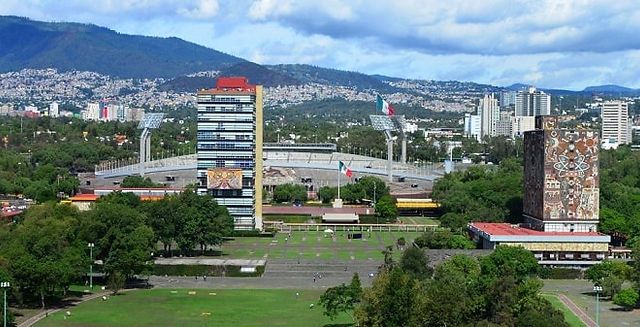
Opened in 1952 to house Mexico's leading academic institution, it wasn't until 2007 that UNESCO declared it a World Heritage Site. This modernist campus, with murals by Juan O'Gorman, Diego Rivera, and David Alfaro Siqueiros integrated into the architecture, reflects the cultural and educational ambition of the mid-20th century.
Why These Sites Are Worth Visiting
Visiting these four spots is also a journey through different moments in Mexican history: the pre-Hispanic lake civilization in Xochimilco, the colonial and Porfirian splendor of the Centro Histórico, and two distinct expressions of 20th-century Mexican modernity in the Casa Estudio Luis Barragán and Ciudad Universitaria. If culture is your thing, don't miss Mexico City's must-see museums either.
Where to Stay to Visit Mexico City's UNESCO Sites
The Centro Histórico and Ciudad Universitaria are connected by major avenues and the metro, while Xochimilco and the Casa Estudio Luis Barragán require somewhat longer trips from the west side of the city. Our furnished apartments in Polanco and Condesa are a good middle ground for moving between these four sites without losing too much time in transit.
FAQs About World Heritage Sites in Mexico City
How many World Heritage Sites are there in Mexico City?
The city is home to several UNESCO-recognized sites, including Xochimilco, the Centro Histórico, the Casa Estudio Luis Barragán, and Ciudad Universitaria, as part of Mexico's broader list of World Heritage sites.
Can you visit the Casa Estudio Luis Barragán without a reservation?
Since it's a museum with limited capacity, it's best to plan your visit ahead of time and check the venue's official information before going.
What's the difference between Cultural Heritage and Natural Heritage?
UNESCO distinguishes between sites of cultural value (architectural, historic, or artistic) and sites of natural value (unique ecosystems or geological formations); Xochimilco is an example of a site with a strong cultural and natural component at once.
What other heritage sites are near Mexico City?
Outside the city, Mexico has numerous additional sites, from colonial historic centers to archaeological zones and nature reserves, many of them reachable on short trips from the capital.
Looking for things to do? Book tours and experiences in Mexico City — museums, food, Xochimilco and more.
See experiences →
Book direct
Your home in Mexico City awaits
Fully furnished apartments with everything included, ready for your arrival. Best direct rate, no middlemen and personal service.