Culture & museums
The 10 Historic Palaces You Can't Miss in Mexico City
Updated September 4, 2026 · published September 24, 2021
A tour of the ten historic palaces that earned Mexico City the nickname "the City of Palaces," from the Palacio de Bellas Artes to Chapultepec Castle.
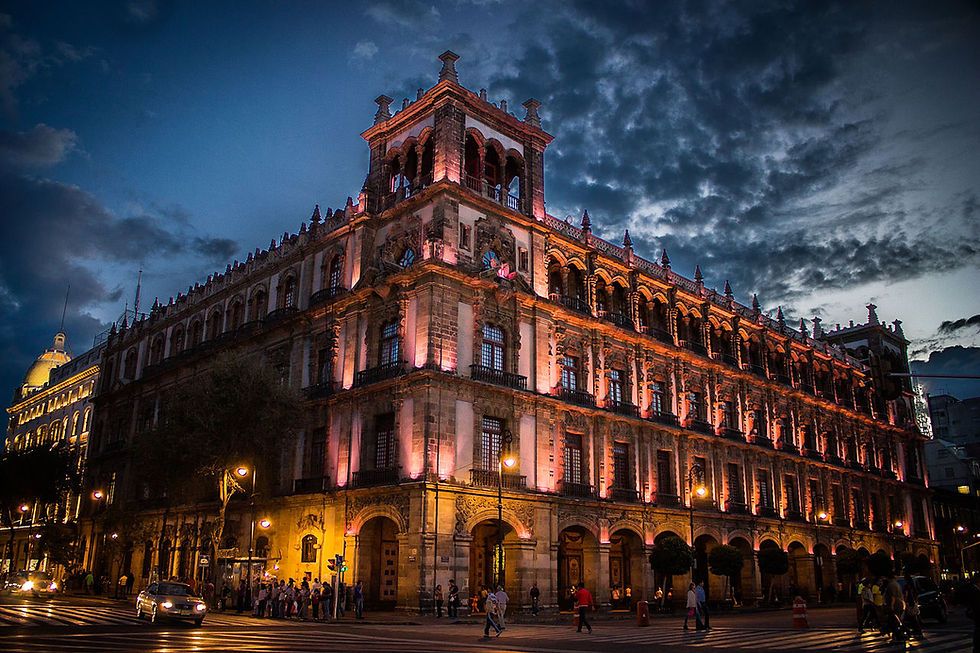
In 1987, Mexico City was named a World Heritage Site by UNESCO, in recognition of its architectural treasures spanning the 16th through 20th centuries that shaped the country's cultural identity. It's no coincidence that it has been known as "the City of Palaces" since the 19th century: few capitals in Latin America pack so many civil and religious buildings of this scale into such a compact area. Here's a tour of ten of its most iconic palaces.
Palacio del Ayuntamiento
The city's first municipal building, established on May 10, 1524, commissioned by Hernán Cortés in 1522. Architects Pedro de Arrieta and José Miguel Álvarez designed this landmark building, which has housed the city government since colonial times.
Location: Plaza de la Constitución #2, Centro Histórico.
Palacio de Bellas Artes
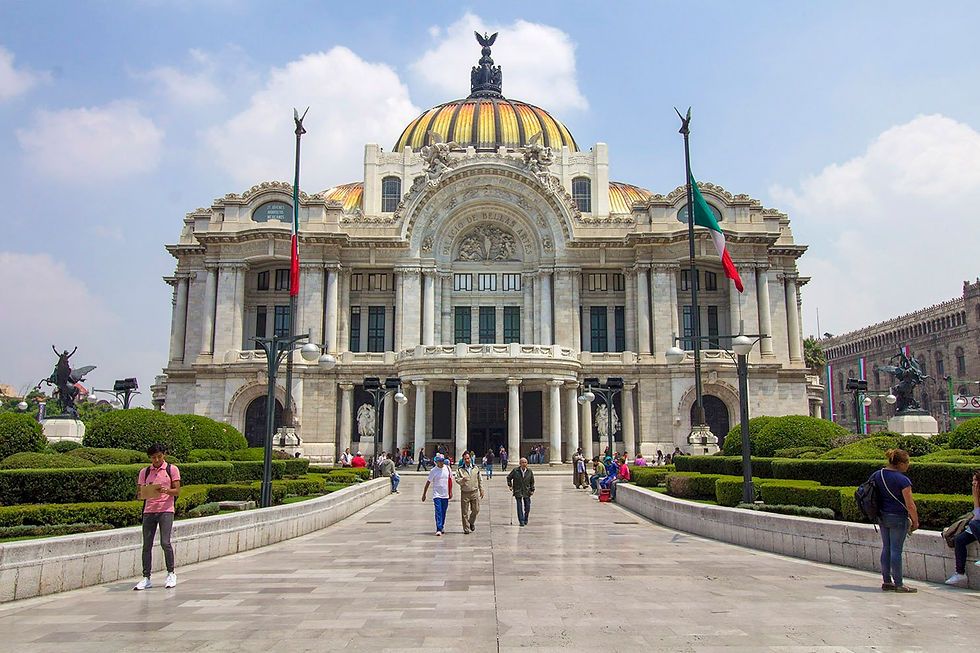
A 53-meter-tall structure blending architectural styles, with an Art Nouveau exterior and Art Deco interior, designed by Adamo Boari and Federico Mariscal. Beyond being a cultural venue, it's now one of the city's most photographed landmarks; read more about its history and murals in our guide to Mexico City's cultural attractions.
Location: Av. Juárez, Centro Histórico.
Palacio del Conde de Buenavista
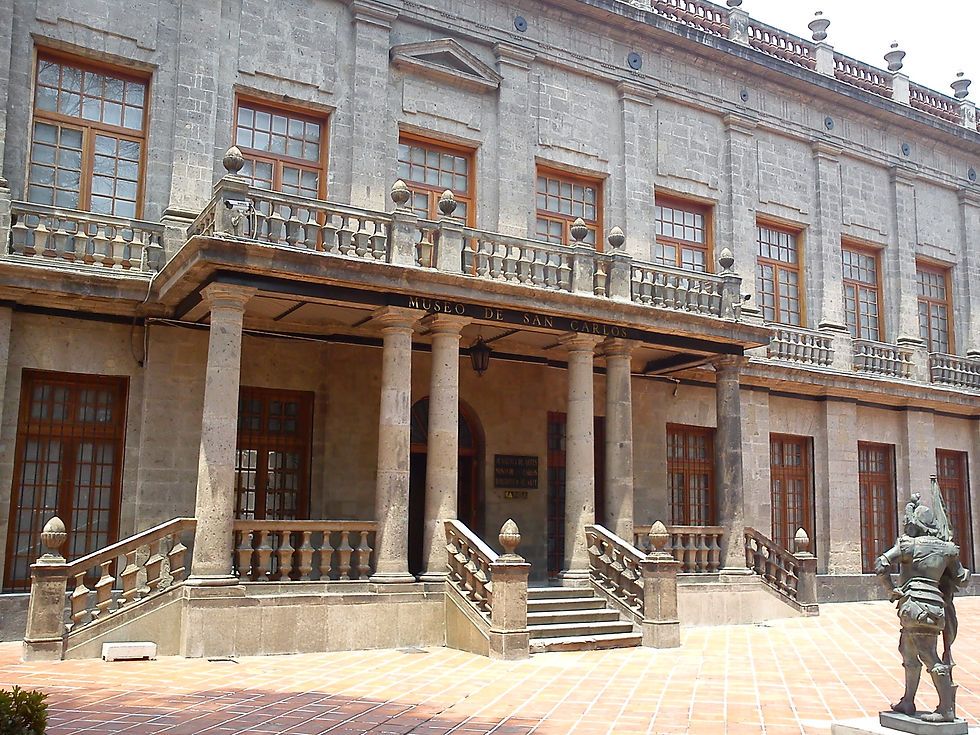
Attributed to Manuel Tolsá, this palace stands out for its gray stone facade and its distinctive oval courtyard with notable staircases, an example of the refinement of New Spain's neoclassical style.
Location: Puente de Alvarado 50, Tabacalera.
Palacio de Cristal
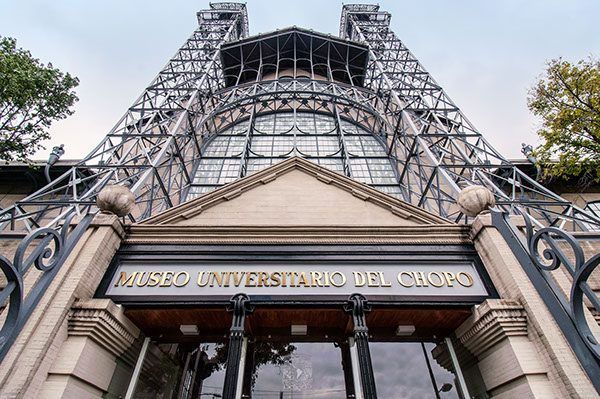
Originally built as an exhibition pavilion with an iron-and-glass structure, it's now home to the Museo Universitario del Chopo, dedicated to promoting and exhibiting contemporary art.
Location: Dr. Enrique González Martínez 10, Sta. María la Ribera.
Palacio de las Comunicaciones
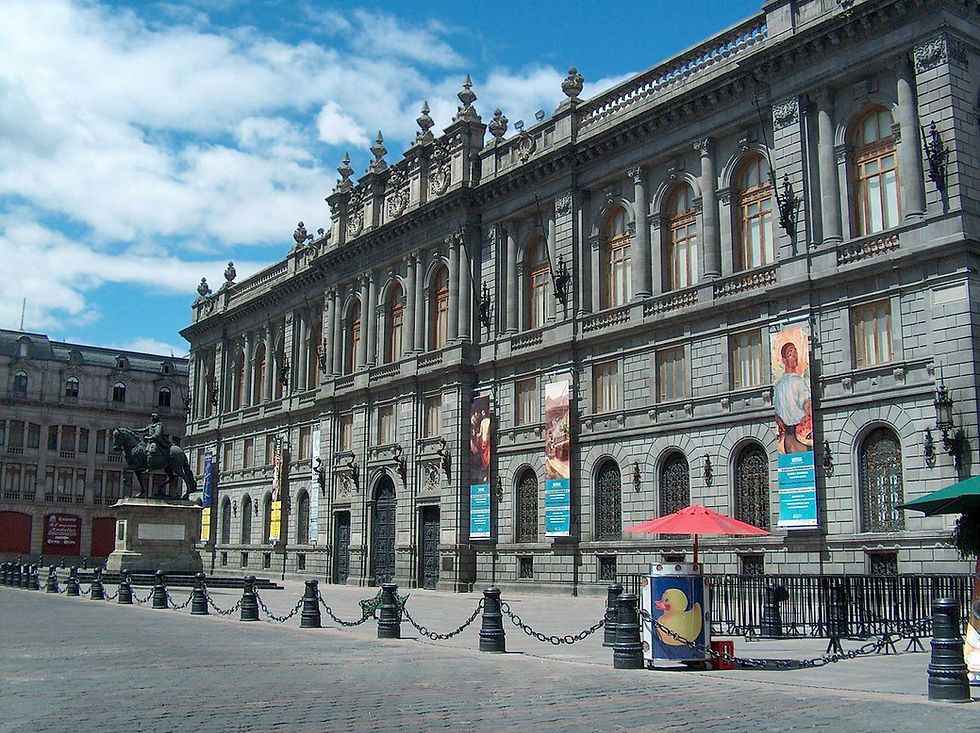
A monumental eclectic-style building from the early 20th century, designed by Italian architect Silvio Contri, commissioned by Porfirio Díaz to present Mexico as a modern, advanced nation.
Location: Calle de Tacuba 8, Centro Histórico.
Antiguo Palacio de la Inquisición
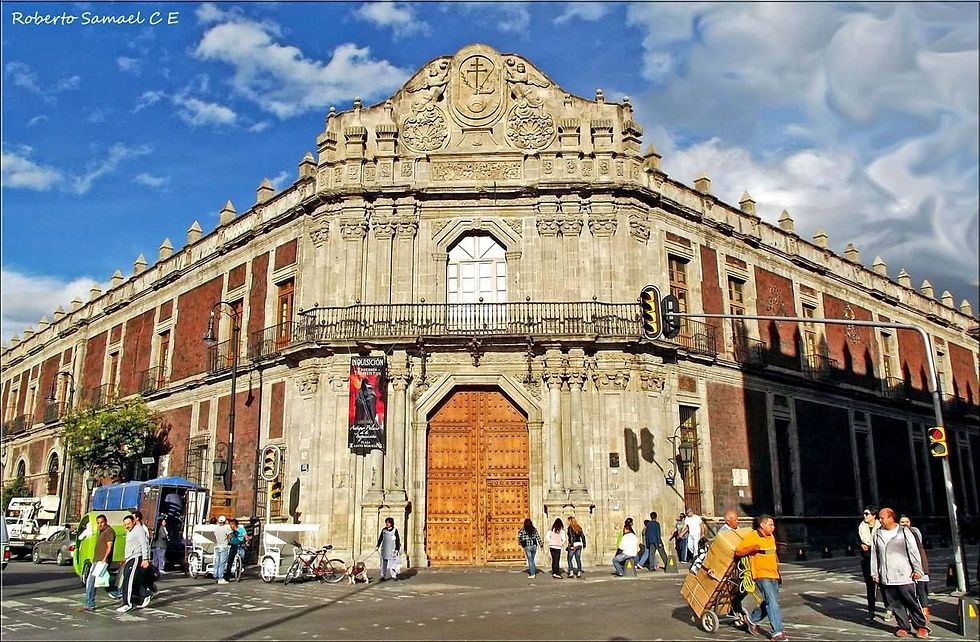
Designed in 1732 to house the Tribunal of the Holy Office, this Baroque masterpiece is now home to the Museo de la Medicina Mexicana, a good example of how the city has repurposed its historic buildings as cultural spaces.
Location: República de Brasil 33, Centro Histórico.
Palacio de Iturbide
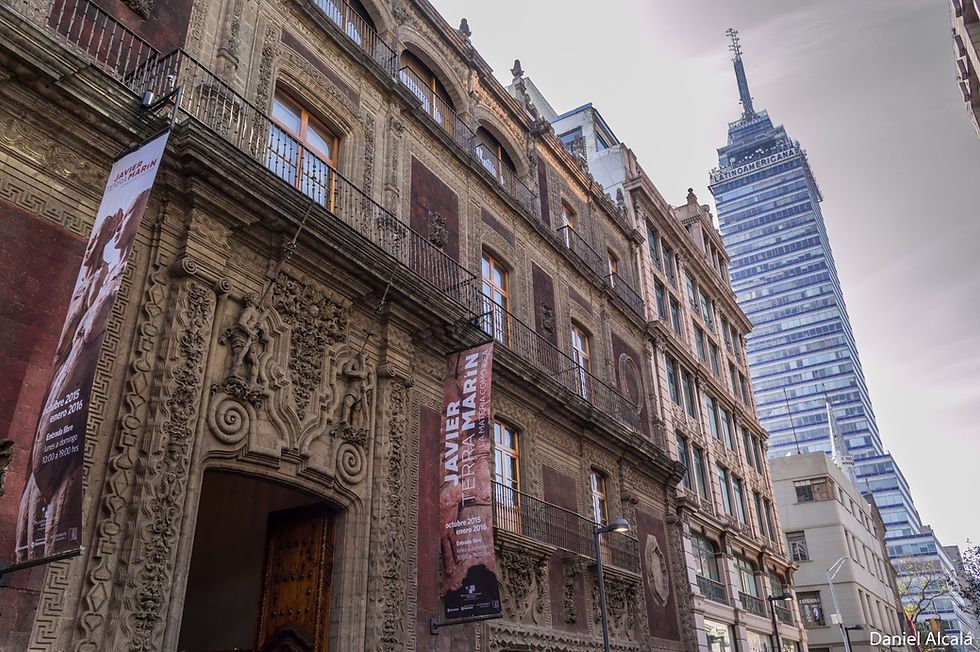
This Baroque palace shows off the traditional combination of stone and red tezontle on its facade. It was the only four-story palatial residence built during colonial times, and it later became the residence of Emperor Agustín de Iturbide.
Location: Francisco I. Madero 17, Centro Histórico.
Palacio de Minería
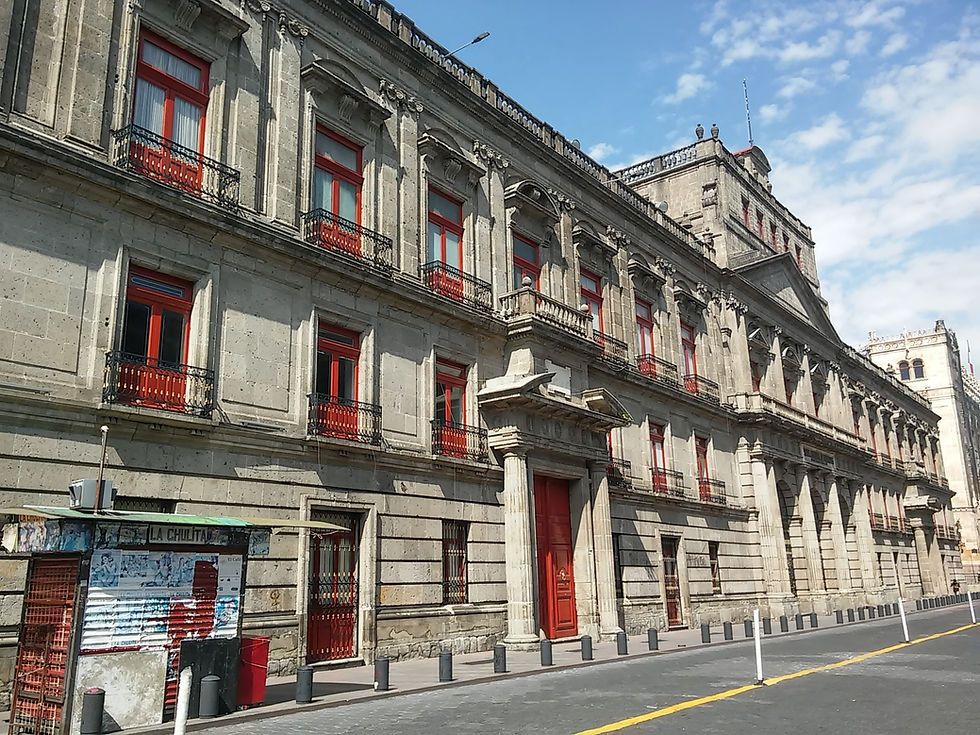
A neoclassical masterpiece built between 1797 and 1813, designed by Spanish sculptor and architect Manuel Tolsá, considered one of the most important buildings of late New Spain architecture.
Location: Calle de Tacuba 5, Centro Histórico.
Palacio Postal
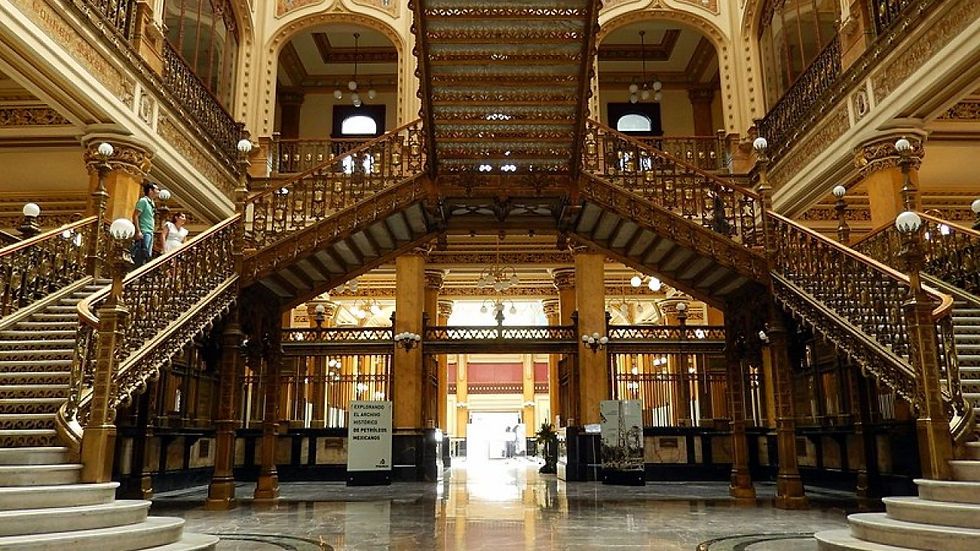
Built with chiluca stone and Isabelline Gothic elements, including arches and ornamental columns; its facade features a German-made clock. It still functions as a post office and is one of the most photographed interiors in the Centro Histórico.
Location: Tacuba 1, Centro Histórico.
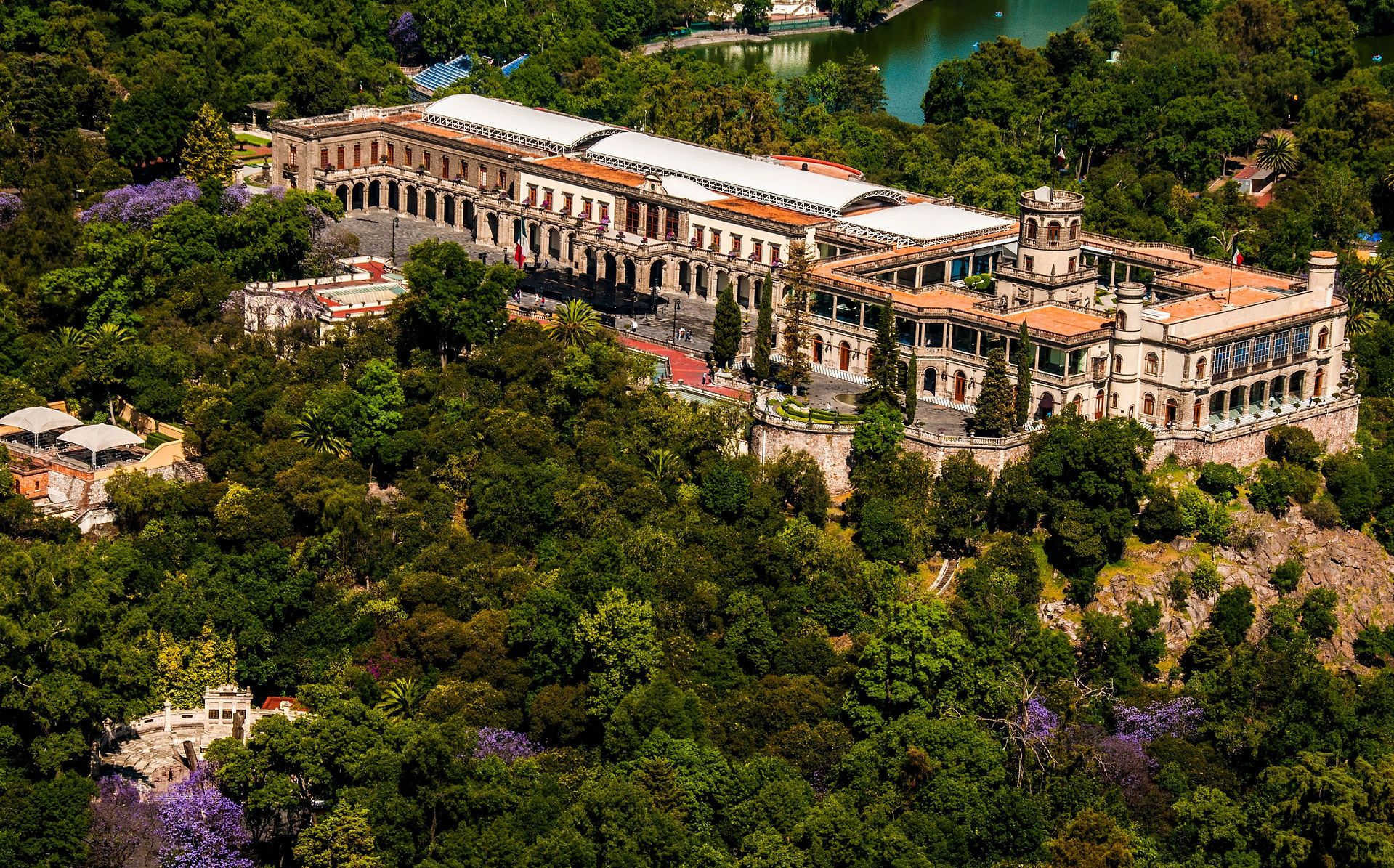
Chapultepec Castle
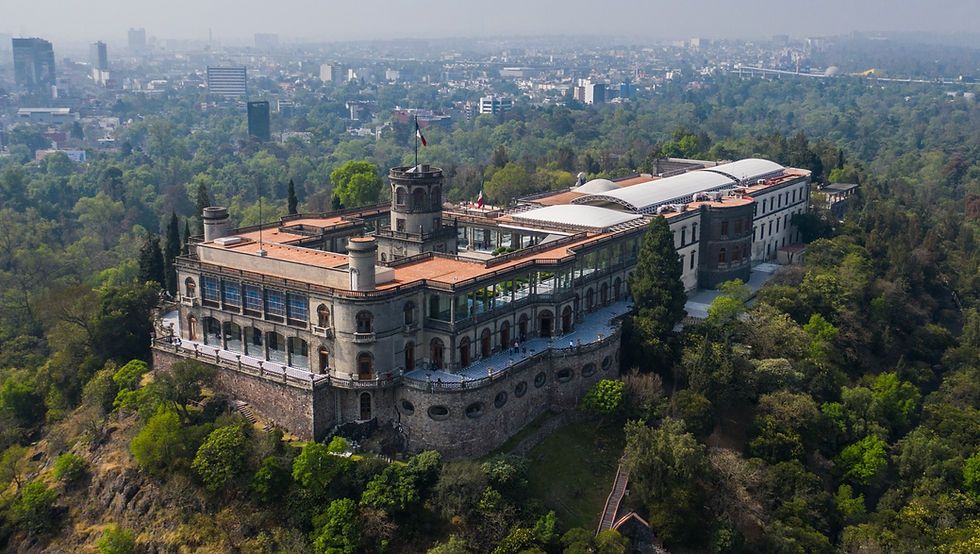
Located at 2,325 meters above sea level inside the Bosque de Chapultepec, this castle was built between 1778 and 1788 on the foundations of Moctezuma II's former residence. It now houses the Museo Nacional de Historia, with galleries dedicated to different periods of Mexican history.
Location: Bosque de Chapultepec, 1st Section, Mexico City.
Where to Stay to Tour Mexico City's Palaces
Most of these palaces are within short distance of each other inside the Centro Histórico, with the exception of Chapultepec Castle. If you'd like to pair this tour with more culture, also check out Mexico City's must-see museums. For your stay, our furnished apartments in Polanco and Condesa put you a short car or metro ride from all these landmarks.
FAQs About Mexico City's Historic Palaces
Why is Mexico City called "the City of Palaces"?
The nickname became popular in the 19th century because of the sheer number and quality of large-scale civil and religious buildings erected in the city during colonial times and the Porfiriato.
Can you go inside all of these palaces?
Several now function as museums or cultural spaces open to the public, while others house government offices or institutions with restricted access. It's worth checking each venue's availability before your visit.
How long does it take to tour the palaces in the Centro Histórico?
The ones located within the Centro Histórico can be covered on foot in a single day, depending on how much time you spend inside each one.
Is Chapultepec Castle different from the rest?
Yes: unlike the palaces in the Centro Histórico, it sits inside the Bosque de Chapultepec and combines the cultural visit with a green, park-like setting, making it a great way to close out the tour.
Looking for things to do? Book tours and experiences in Mexico City — museums, food, Xochimilco and more.
See experiences →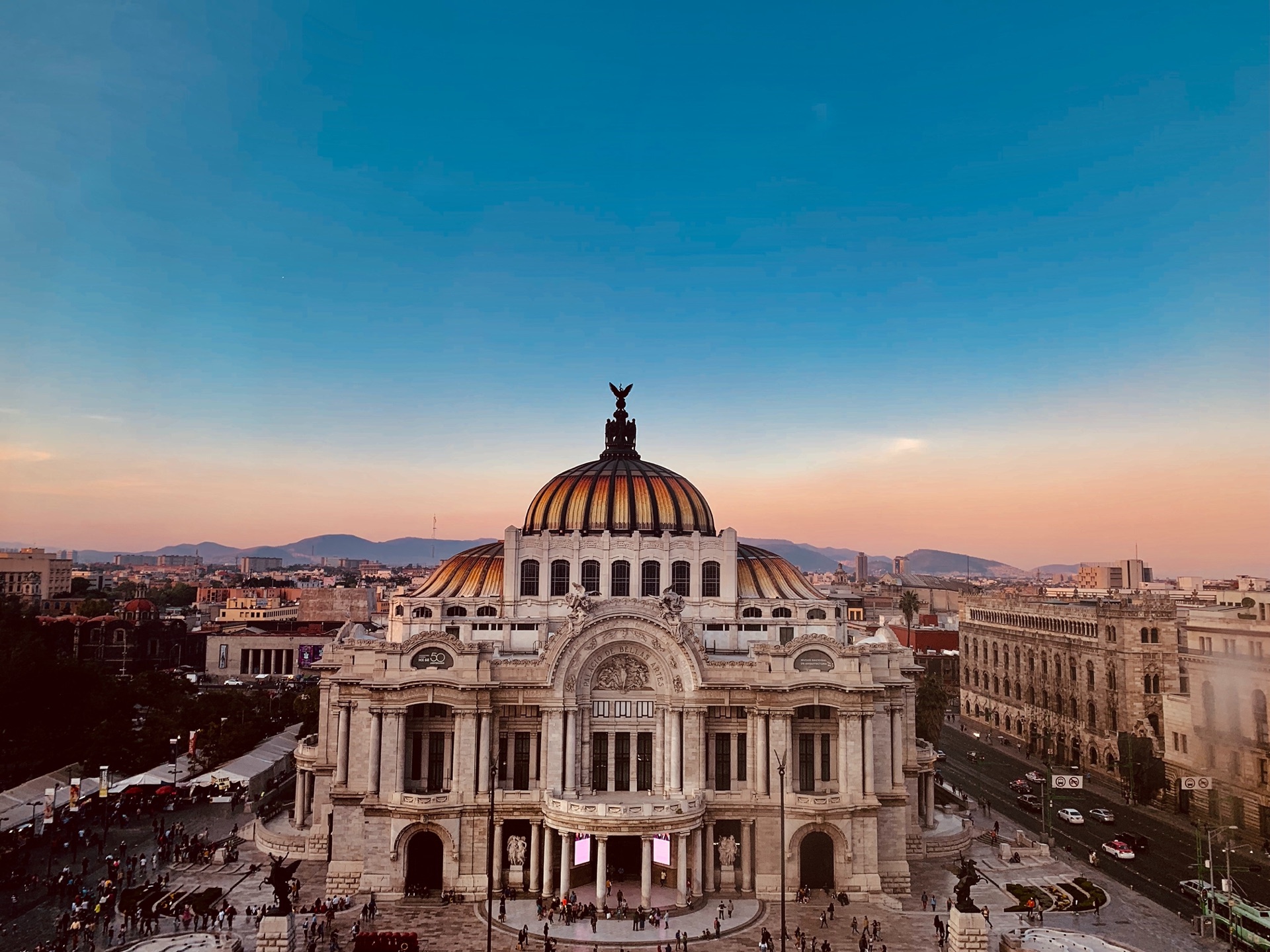
Book direct
Your home in Mexico City awaits
Fully furnished apartments with everything included, ready for your arrival. Best direct rate, no middlemen and personal service.