Things to do
Jacarandas in Mexico City: History and Where to See the City Turn Purple
Updated September 4, 2026 · published March 19, 2022
Every spring, jacarandas paint Mexico City purple. Their history, fun facts, and the best spots to see them in Reforma, Roma, and Chapultepec.
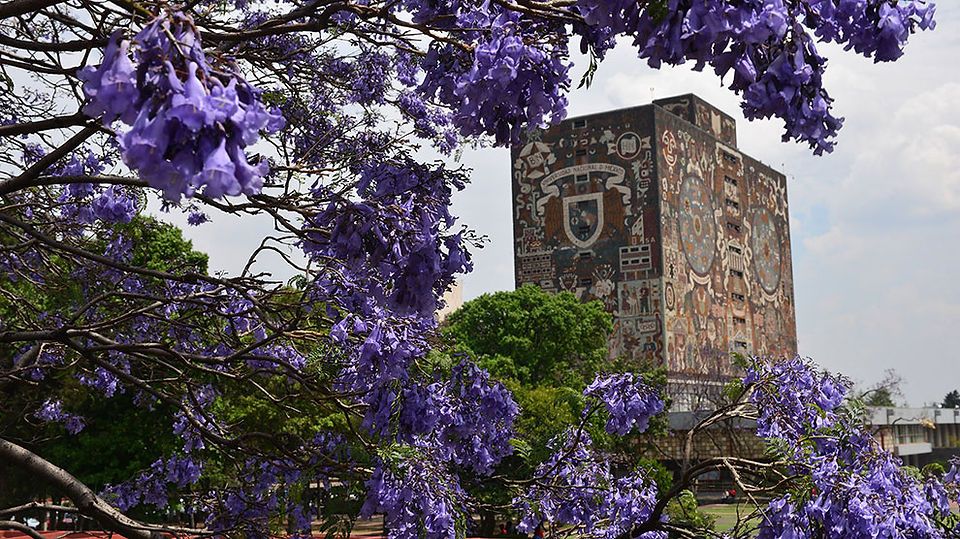
Every year, between March and April, Mexico City experiences a magical natural phenomenon: the jacaranda bloom, which paints the streets in vibrant shades of purple and announces that spring has arrived in the capital.
Origins and Characteristics
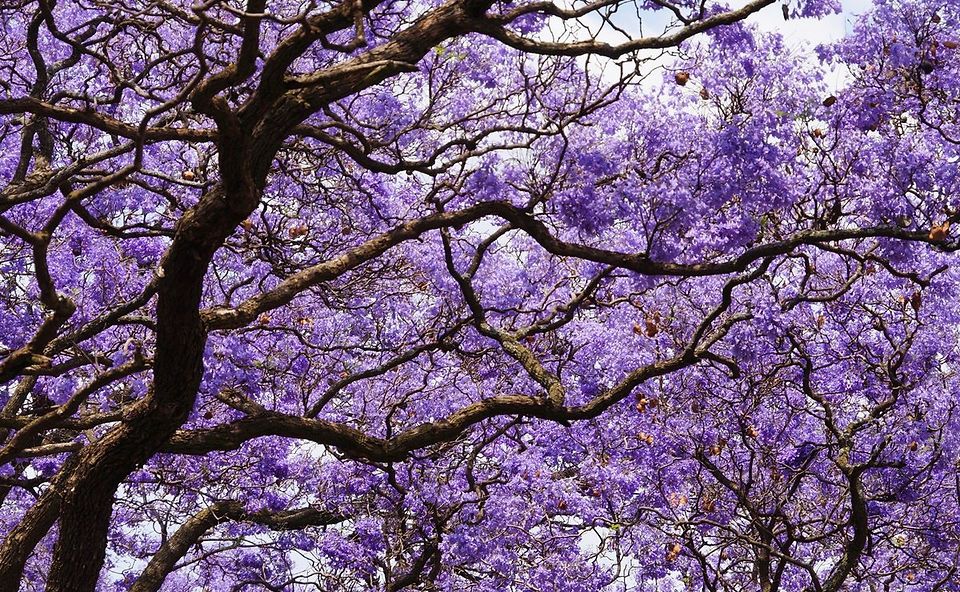
There are more than 50 jacaranda species in the world, but the one that adorns Mexico City is Jacaranda mimosifolia, native to South America. Its name comes from the Portuguese "yacarandá," meaning fragrant, although curiously its flowers have no scent. The trees are known for their striking bluish-purple blooms, which often cover the entire canopy before new leaves come in.
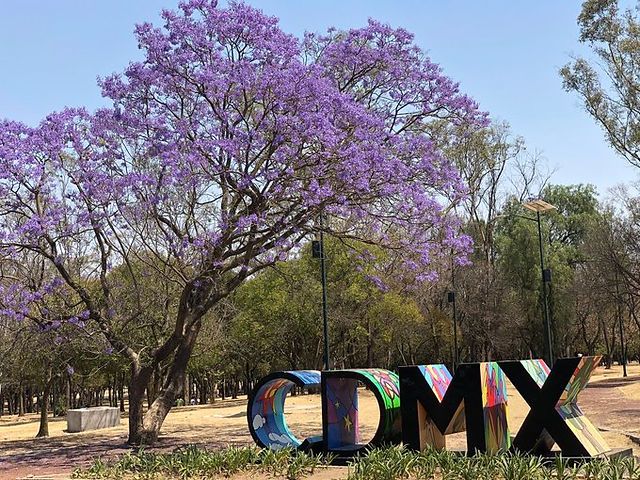
These trees inspire positivity and joy. Nelson Mandela loved them; he once said that the most pleasant moments during his treason trial were the "meals in the shade of the jacarandas in the gardens of Pretoria."
Three Stories About Their Origin
There are several versions of how jacarandas arrived in Mexico City, and all of them are part of the capital's urban folklore.
The Japanese Gardener
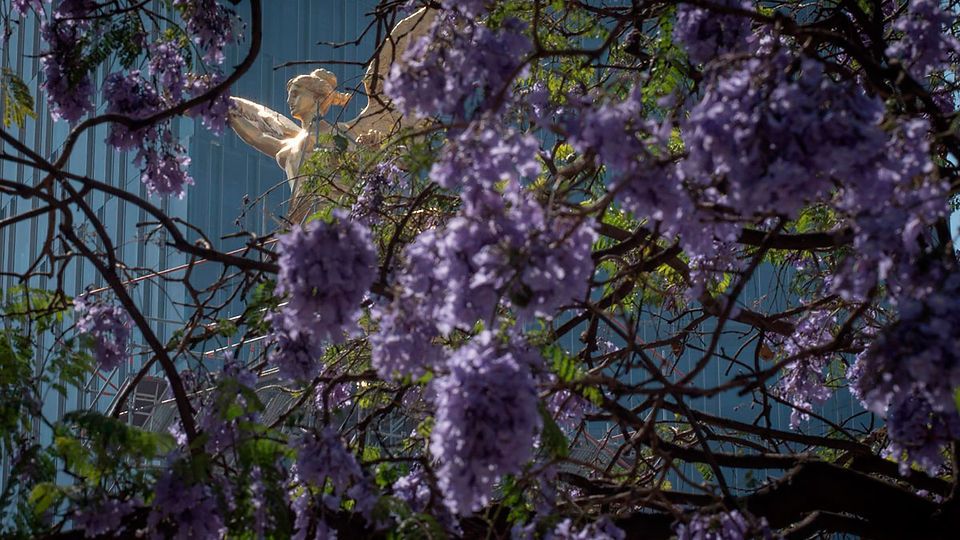
In the 20th century, Japanese immigrant Tatsugoro Matsumoto set up a nursery in the Roma neighborhood, cultivating trees he had brought back from his travels through South America. He popularized them for their resemblance to cherry blossoms and, over time, advised President Pascual Ortiz Rubio to plant them throughout the city.
The Presidential Request
In 1912, Japan gifted 3,000 cherry trees to Washington, D.C. Inspired by those "pink clouds," Plutarco Elías Calles later asked Japan for similar trees for Mexico. The Japanese government explained that cherry trees wouldn't survive Mexico's climate and offered jacarandas instead — the perfect alternative for the capital's weather.
The Apostle of the Tree
Miguel Ángel de Quevedo, known as the "Apostle of the Tree," was in charge of Mexico City's green spaces, including Desierto de los Leones and Viveros de Coyoacán. He initially introduced jacarandas for their wood, but discovered their ornamental value for public spaces, beautifying avenues like Insurgentes without damaging the pavement or sidewalks.
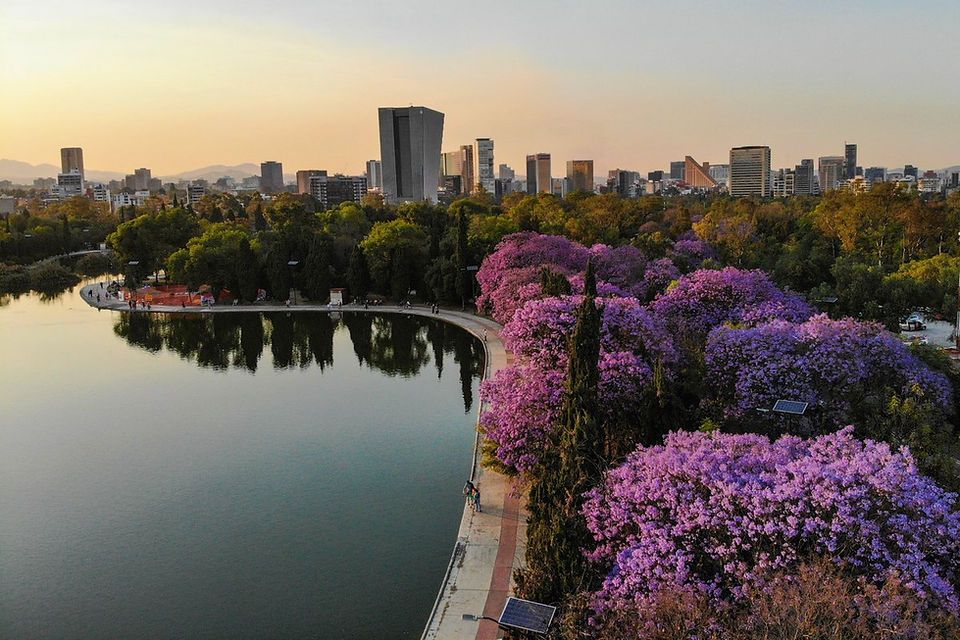
Where to Enjoy the Jacarandas in the City
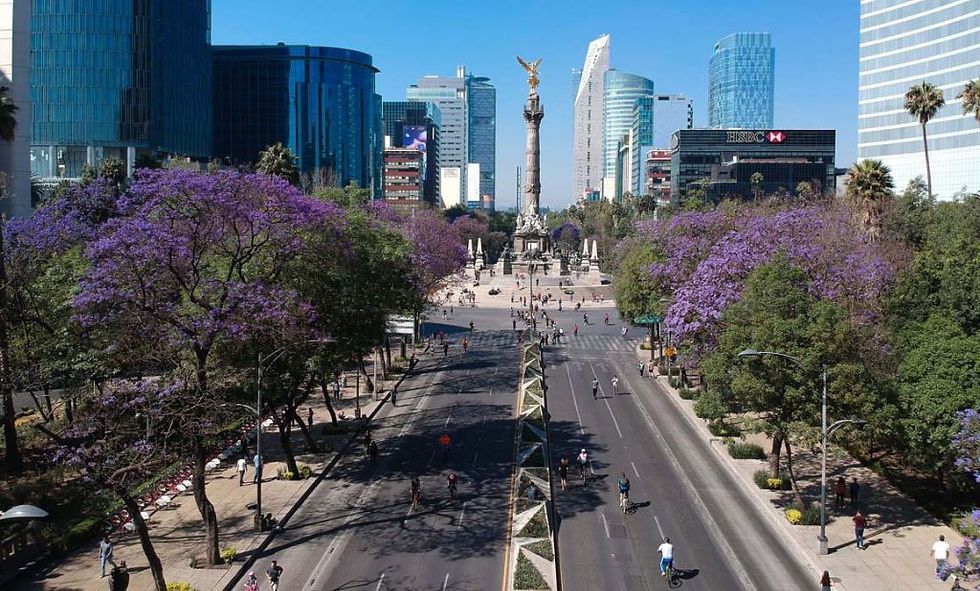
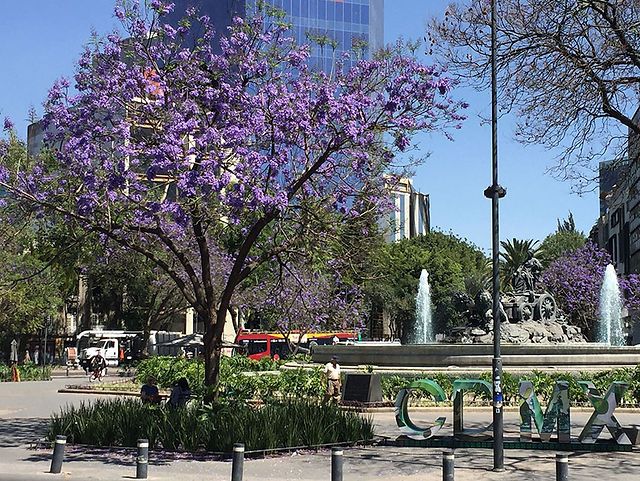
Although they bloom nearly everywhere in the capital, some areas put on an especially beautiful show: Paseo de la Reforma, Álvaro Obregón avenue in Roma, the area around Parque México in Condesa, and much of Bosque de Chapultepec turn purple during these weeks. It's the perfect time for an unhurried walk; you can find route ideas in our guide to the best places to walk in Mexico City.
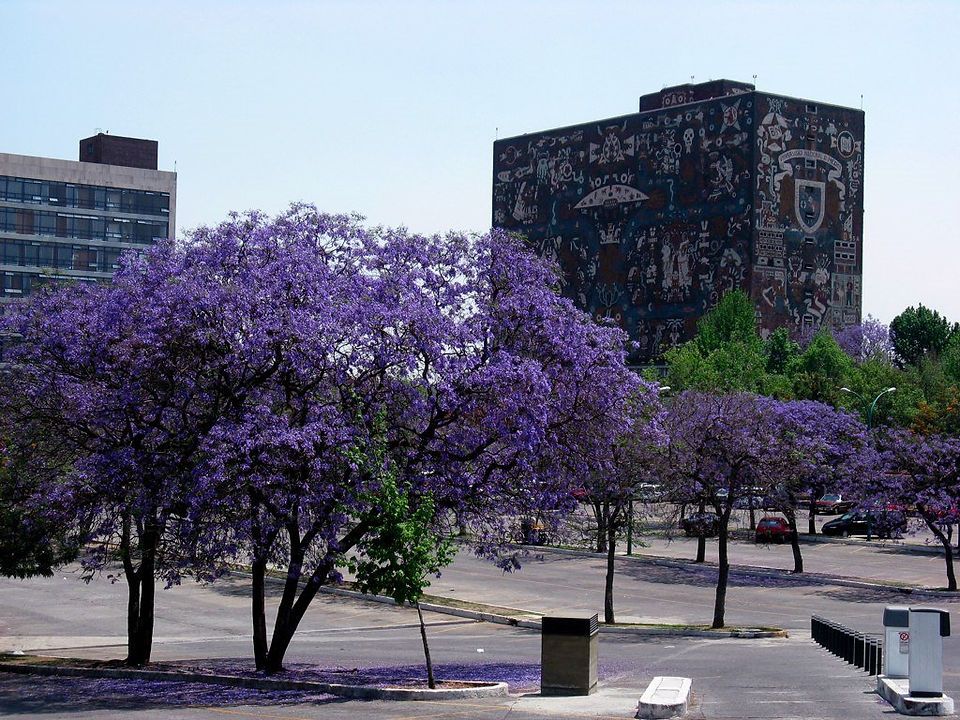
If you'd also like to know what else to do outdoors this season, outdoor activities in Mexico City: parks for the family has plenty of ideas for nearby parks.
When to Plan Your Visit
The jacaranda bloom usually falls between late February and April, though the exact timing varies each year depending on the weather. If you'd like to plan your trip around this season, the best time to visit Mexico City: weather month by month explains what to expect each month to help you plan your stay.
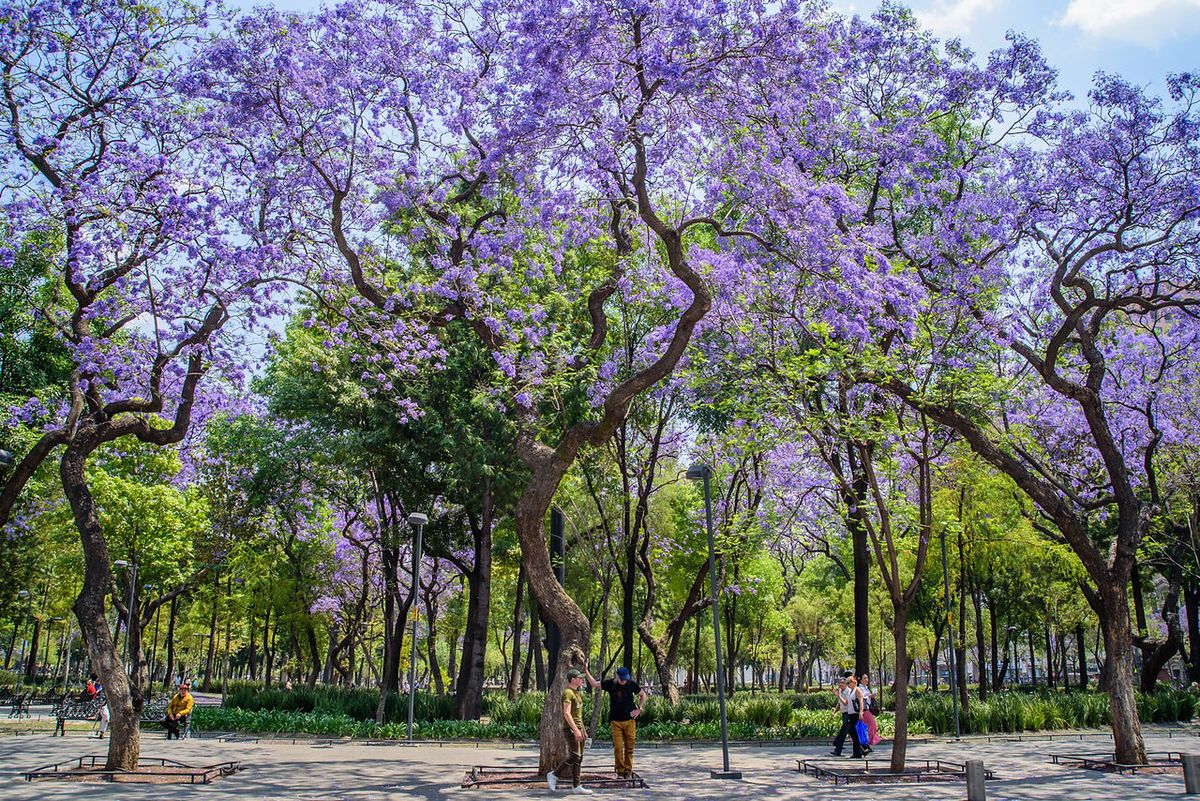
Whatever the true story behind their arrival, today jacarandas beautify Mexico City and other cities around the world, creating an unforgettable spring spectacle for both residents and visitors. If your stay coincides with this season, staying in a furnished apartment in Mexico City lets you step out for a walk among jacarandas every morning, unhurried and without depending on the weather to enjoy the city.
Frequently Asked Questions About Jacarandas in Mexico City
In which months do jacarandas bloom in Mexico City?
Mainly between March and April, although the exact start of the bloom changes each year depending on temperature and rainfall.
Why are jacarandas so common in Mexico City?
Because in the early 20th century they were planted extensively along avenues and medians, thanks to figures like Tatsugoro Matsumoto and Miguel Ángel de Quevedo, who championed their ornamental use.
Do jacarandas have a scent?
No, even though their name means "fragrant" in Portuguese, their flowers don't give off any noticeable scent.
Where can you see the most jacarandas in the city?
Paseo de la Reforma, the Roma neighborhood, Condesa, and Bosque de Chapultepec are some of the areas where the bloom stands out most each spring.
Looking for things to do? Book tours and experiences in Mexico City — museums, food, Xochimilco and more.
See experiences →
Book direct
Your home in Mexico City awaits
Fully furnished apartments with everything included, ready for your arrival. Best direct rate, no middlemen and personal service.